If you have decided you want moving water in your walk-in tub, the next fork in the road is which kind of moving water. Air baths and whirlpools both count as hydrotherapy, but they work differently, feel different, sound different, and ask different things of you in maintenance. Mixing them up is one of the most common buyer regrets — people expecting a deep-tissue massage from gentle air bubbles, or expecting whisper-quiet relaxation from a rumbling pump.
This guide explains exactly how each system works so you can match the technology to the sensation you actually want.
How an air bath system works
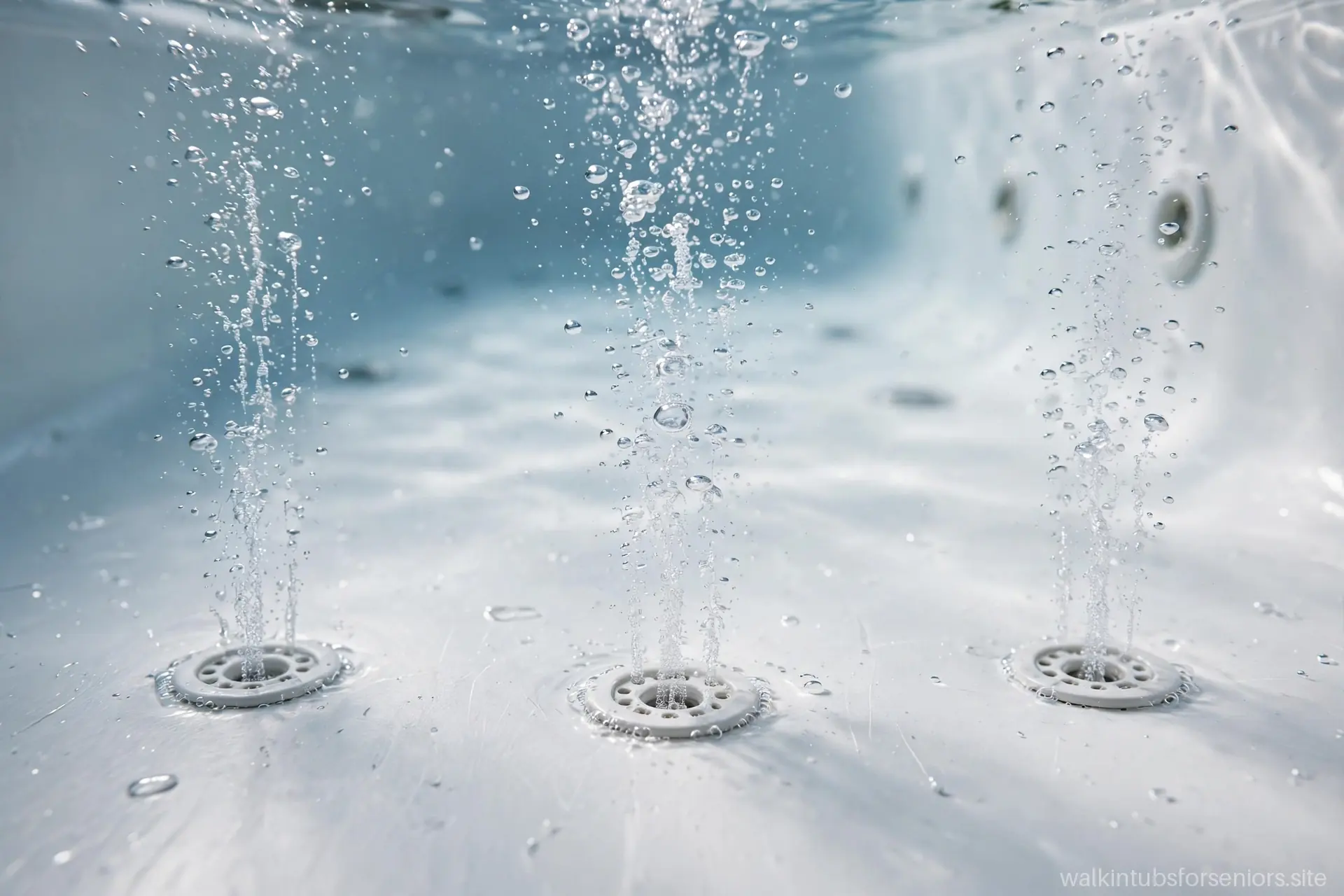
An air bath uses a heated blower — essentially a small, warm-air pump — mounted near the tub. When you switch it on, the blower pushes warmed air through a network of tiny ports or channels molded into the tub shell, usually along the floor and lower walls. The air emerges as thousands of fine bubbles that rise through the water around your body.
Because the air is heated, it does not chill the bath water the way cold air would. The bubble streams create gentle, all-over movement: a soft fizzing sensation against the skin rather than directed pressure. Most air systems offer variable speed, so you can dial the bubbles from a light effervescence to a vigorous churn.
How a whirlpool system works
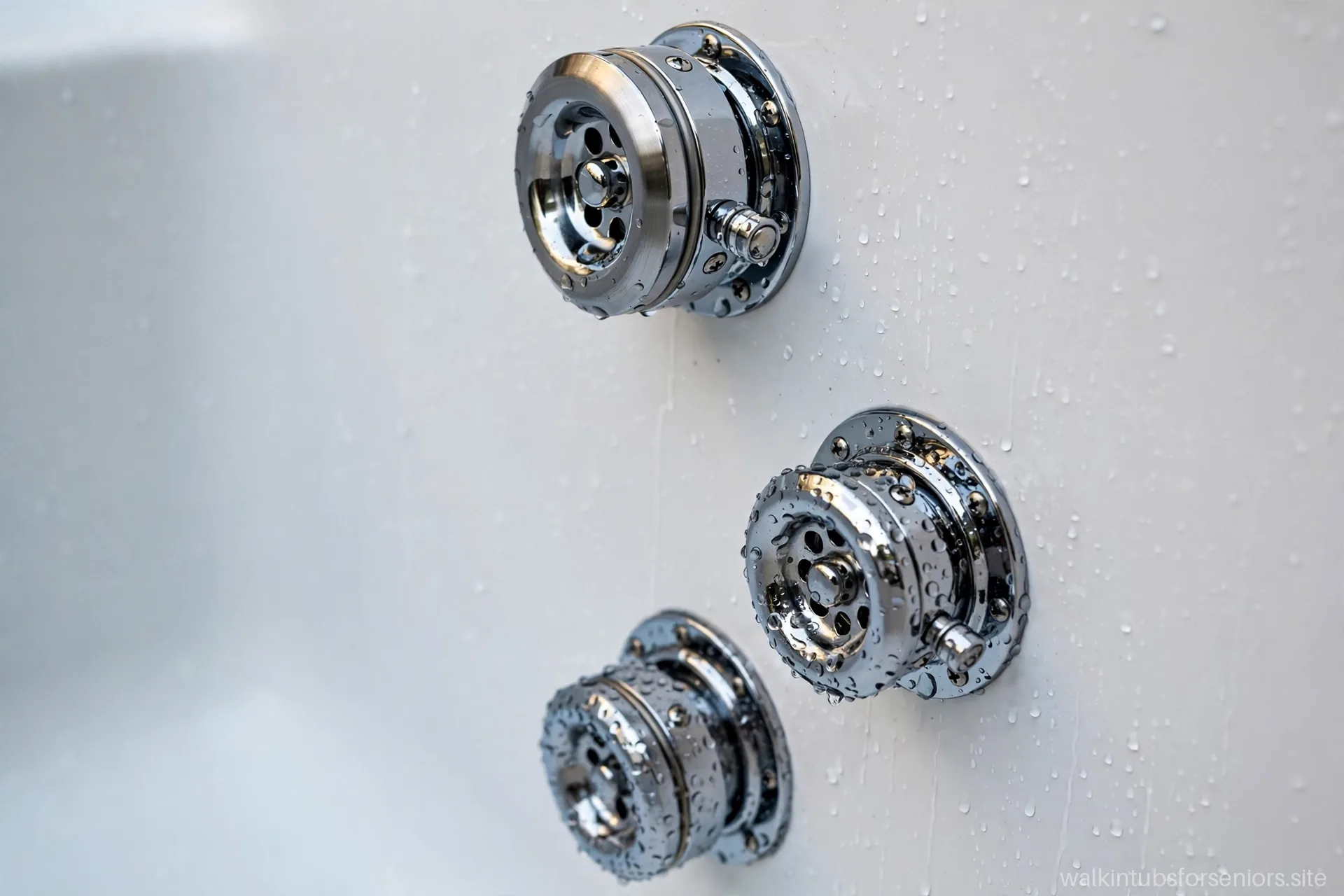
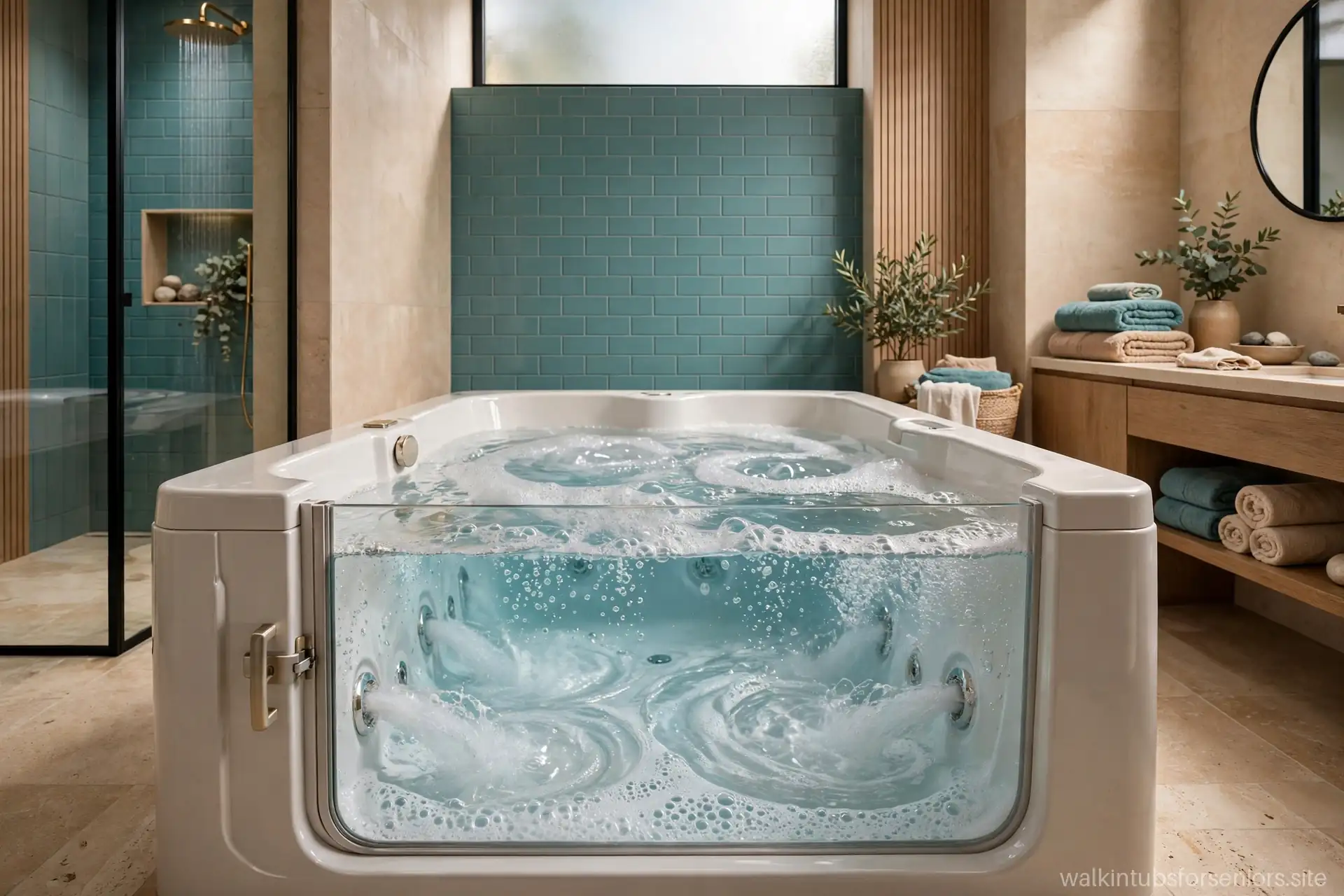
A whirlpool uses an electric water pump to draw bath water in and force it back out through adjustable jets mounted in the tub walls. The jets are directional — you can usually rotate each nozzle to aim the stream — and the pump speed controls the intensity. The result is a targeted, massaging pressure against the back, hips, thighs, and feet, depending on jet placement.
Whirlpool jets move a lot of water, which is why the sensation is so much stronger than air bubbles. The tradeoff is mechanical complexity: a pump, intake fittings, and a network of water lines behind the tub shell, all of which need periodic cleaning to stay fresh.
The feel difference, plainly described
Imagine the difference between standing in a gently fizzing mineral spring and standing under a strong massage shower. The air bath is the spring: diffuse, ticklish, relaxing, easy to ignore if you want to just soak. The whirlpool is the massage: insistent, warming to muscles, impossible to ignore. Neither is objectively better — they serve different moods and different bodies.
People with fibromyalgia-like sensitivity, thin skin, or a low tolerance for strong sensation usually prefer air. People with chronic muscle tightness, physically demanding histories, or who simply love a strong massage usually prefer whirlpool. When in doubt, an air system is the safer guess for sensitive users.
Noise, power, and installation differences
Air blowers hum at a moderate level — noticeable but easy to talk over. Whirlpool pumps are distinctly louder, comparable to a powerful bathroom fan or a quiet dishwasher. Both systems require a dedicated GFCI-protected electrical circuit, so the installation requirements are similar: plan for an electrician either way.
Water use is essentially the same for both, since both fill the same tub shell. Electricity use per bath is modest for both — the blower and the pump each draw roughly what a small appliance draws while running. The real cost difference is in the purchase price: whirlpool systems, with their pumps and jet hardware, typically cost more than air systems at a comparable trim level. All prices here are illustrative; get written quotes for real numbers.
The cleaning difference that matters
This is where the two systems diverge most in daily life. Air channels carry only air, so they stay relatively clean; most blowers run a short automatic purge cycle after the tub drains to blow residual moisture out of the lines. A periodic wipe-down and an occasional manufacturer-recommended flush is usually enough.
Whirlpool lines carry bath water — with soap, oils, and skin cells — and that water sits in the lines between baths. Manufacturers recommend running a cleaning cycle with their approved cleaner on a regular schedule (often monthly with regular use). Skip it for long enough and the first jet blast of a neglected tub can release visible residue. It is not dangerous if you follow the routine, but it is a routine you must actually follow.
If the thought of a monthly purge cycle makes you tired, that is useful self-knowledge: choose air, or choose a soaker. The best tub is the one you will maintain.
Combination tubs: both systems in one shell
Combination models pair an air blower with a whirlpool pump so you can run bubbles, jets, or both together. They are the most expensive option and the most complex to maintain, since you inherit both cleaning routines. They make sense for households where two bathers want different things, or for buyers who genuinely enjoy both sensations and will use both regularly.
A practical tip: some combination owners report that running air and water together is too intense and that they end up using one system at a time anyway. If that sounds like you, save the money and pick one.
Space and fit considerations
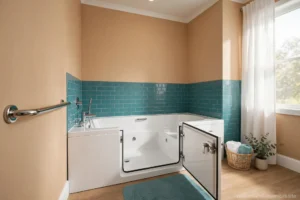
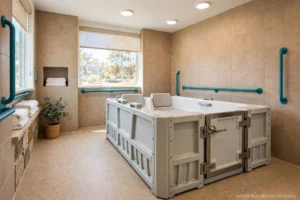
Both systems fit in standard walk-in tub footprints, but the pump and blower need access space — usually an access panel on the tub’s outer side. Before you buy, confirm where the access panel will sit in your bathroom and that it will not be blocked by a wall or vanity. Accurate room measurements prevent expensive surprises; our guide to measuring your bathroom for a walk-in tub covers the full checklist.
Budget-wise, remember that the tub price is only part of the project. Delivery, installation, electrical work, and any bathroom repairs add up, and financing the whole project is common — see walk-in tub financing options for how buyers typically structure payment.
Water quality and jet longevity
Your water chemistry quietly determines how long a jetted system stays pleasant. Hard water — high in calcium and magnesium — leaves mineral scale inside jet nozzles, air ports, and pump components. Over years, scale narrows openings, weakens flow, and gives biofilm more surface to cling to. If your home has hard water, a water softener is not just a comfort upgrade; it is preventive maintenance for the tub’s machinery. At minimum, follow the manufacturer’s descaling guidance and never let scale build to the point where jets sputter.
Cleaning discipline is the other half of longevity. Whirlpool lines should be flushed with the manufacturer’s approved cleaner on the schedule in the manual — typically monthly with regular use. Air systems need less, but the purge cycle should be allowed to complete (do not cut power to the tub immediately after draining). Pumps and blowers themselves are generally reliable for a decade or more; what fails early is almost always what was neglected: clogged intakes from hair, scaled nozzles, or seals dried out by harsh chemicals. Treat the cleaning routine as part of owning the tub, not an optional extra, and the machinery will outlast your interest in upgrading.
Energy and water use in plain terms
Buyers often overestimate the running cost of jetted tubs and underestimate the installation requirement. Per bath, the electricity for a pump or blower is modest — roughly comparable to running a small kitchen appliance for half an hour. The water is the bigger ongoing consideration: a full walk-in tub holds a substantial volume, and heating that water is where the real energy goes, jetted or not. A household that bathes daily will notice the water-heating cost; a household that bathes twice a week will not.
The requirement that actually matters is the dedicated GFCI circuit, which is about safety and code rather than cost. Budget for the electrician’s visit as part of the project, not as an afterthought, and confirm the circuit is truly dedicated — shared circuits cause nuisance tripping that owners inevitably blame on the tub. Once installed correctly, the day-to-day running cost of either system is one of the smallest numbers in the ownership equation.
Maintenance schedules compared: the real weekly routine
Brochures describe cleaning in a sentence; ownership lives it every week. Here is what the routine actually looks like for each system, so you can choose with eyes open. An air bath system needs its air channels purged after each use: run the blower for a minute or two with the tub empty after draining, which blows residual water out of the tiny air holes and discourages biofilm. Then wipe the tub as normal. Weekly, run a cleaning cycle with the manufacturer’s recommended cleaner — usually a fill above the air ports, a short blower run, a soak, then drain and rinse. The whole weekly ritual takes about fifteen minutes of active effort.
A whirlpool system asks more. After each bath, the jet lines hold water in their plumbing loops, and that standing water is where biofilm grows. The standard routine: fill the tub above the jets with hot water, add the recommended purge cleaner, run the jets for ten to fifteen minutes, drain, refill with clean water, run briefly, and drain again. Weekly at minimum; households that bathe daily sometimes do it twice a week. Active effort is twenty to thirty minutes, plus the water for two fills. Skip it for a month and you will likely notice the signs — musty odor when jets start, or dark flecks in the water — which means a deeper purge cycle is needed to recover.
Combination tubs inherit both routines, done separately. The honest self-assessment: if you are the person who will actually run the purge cycle every Sunday, a whirlpool’s maintenance is a fair trade for its massage. If you suspect the routine will slide within three months — and be honest, because most of us know ourselves — the air system’s lighter demands make it the system you will still be happy with in year three. Maintenance you will do beats maintenance you will not, every time.
Frequently asked questions
Can jets be added to a soaker later?
No — not practically. The ports, channels, pump mounts, and wiring are molded and installed at the factory. Choose the system you want at purchase time.
Can I use bath oils or bubble bath with jets?
Most manufacturers advise against oils and foaming products in jetted tubs because they leave residue in the lines and can damage seals. Check your owner’s manual; many jetted-tub owners switch to non-foaming bath products.
What breaks most often on jetted tubs?
Pumps and blowers are generally reliable for many years. The most common service items are jet nozzles that stiffen with age, blower check valves, and the door gasket — all replaceable parts, and a reason to favor brands with accessible customer service and parts availability.
This guide is general information only — not medical advice and not contractor advice. Hydrotherapy feels good to many people, but it does not diagnose or treat any condition; discuss persistent pain or stiffness with your doctor.