The bathroom is small, hard, wet, and full of obstacles — which is why it features so prominently in fall statistics for older adults. The CDC’s STEADI initiative and the National Institute on Aging both identify the home, and the bathroom specifically, as a priority area for fall prevention. The good news: most bathroom fall hazards are fixable with modest effort and expense, and the fixes stack — each one you address makes the others more effective.
This guide walks through the bathroom room by room — or rather, zone by zone — identifying the hazards and the practical fixes, from free habit changes to a walk-in tub. It is general safety information, not medical advice; if you have fallen before, discuss a full fall-risk assessment with your doctor.
Why the bathroom is uniquely hazardous
Four factors converge in the bathroom: water on smooth floors, hard surfaces everywhere (tile, porcelain, glass), obstacles at foot level (rugs, thresholds, cords), and physical demands (stepping over tub walls, standing from low toilets, reaching overhead). Add common age-related changes — weaker legs, poorer balance, slower reactions, vision changes, blood-pressure dips on standing — and the bathroom becomes the room where small hazards have large consequences.
Understanding this is empowering, not frightening: it means targeted fixes in one small room buy a disproportionate amount of safety.
Zone 1: The tub and shower area
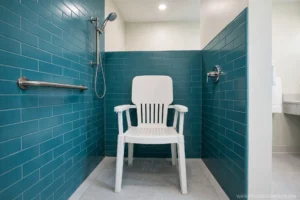
This is the highest-risk zone. The fixes, in order of impact: a low-entry bathing fixture (a walk-in tub or a curbless shower with a bench eliminates the high step-over that causes so many falls); textured non-slip surfaces on the tub floor; grab bars anchored to structure at entry and seating positions; a hand-held shower so bathing can be done seated; and an anti-scald valve to prevent the startle-and-slip reaction to sudden hot water.
If a full fixture replacement is not in the cards right now, interim measures help: a sturdy shower chair or transfer bench, a hand-held shower on the existing setup, and properly anchored grab bars. Our grab bar placement guide shows exactly where support belongs around any bathing fixture — the highest-impact structural fix in this zone.
Zone 2: The toilet area
Standing up from a low toilet is one of the hardest everyday movements for weak knees and hips — and the moment of maximum fall risk. Fixes: a raised toilet seat (with or without arms) that brings the sitting height closer to chair height; grab bars on the adjacent wall or a floor-mounted safety frame; and keeping the path to the toilet clear and well-lit for nighttime trips. A comfort-height toilet installed during a remodel solves it permanently.
Zone 3: The sink and vanity area
The sink zone’s hazards are subtler: leaning over the sink to wash your face (a forward fall risk if balance is poor), slippery throw rugs underfoot, and cluttered counters that encourage reaching and stretching. Fixes: a sturdy vanity you can lean on (verify it is actually anchored — some pedestal sinks are not), non-slip rugs with rubber backing or no rugs at all, frequently used items stored between waist and shoulder height to eliminate overhead reaching and deep bending, and a nightlight so the sink is findable in the dark.
Zone 4: Floors and transitions
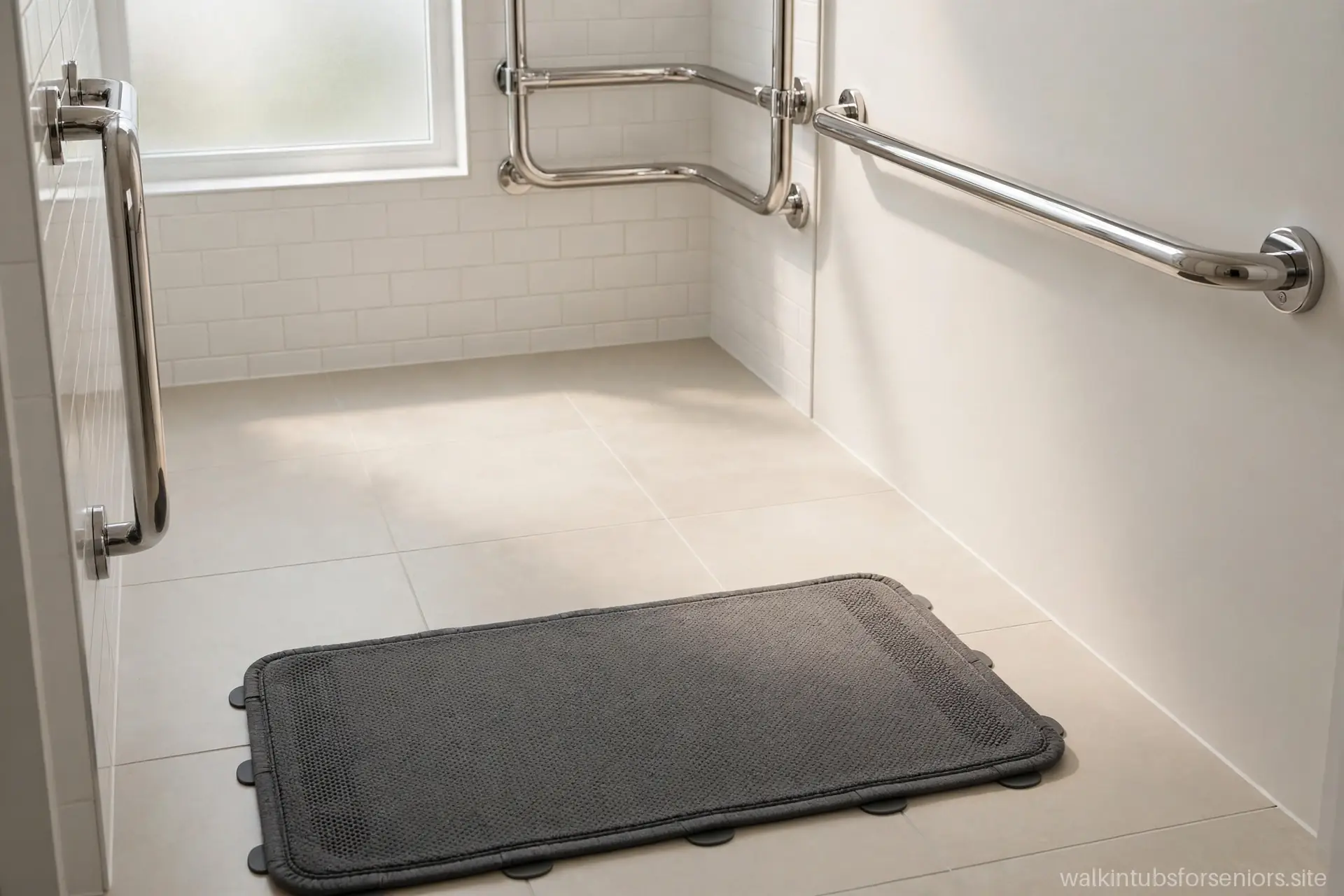
Bathroom floors get wet; that is their nature. What you control: the flooring material (textured tile or sheet vinyl with grip beats glossy tile), keeping the floor dry (a bath mat with rubber backing outside the tub, mopping up splashes promptly), removing or securing every rug and cord, and ensuring the transition at the bathroom doorway is flush or beveled rather than a raised lip. If you are choosing new flooring, compare senior-friendly options for texture and glare before committing — the right surface multiplies every other fix.
Habits: the free layer of protection
Hardware helps; habits multiply it. Sit to dress rather than balancing on one leg. Keep a phone within reach in the bathroom in case of a fall. Avoid rushing — most bathroom falls happen when someone is hurrying. Wear non-slip footwear rather than socks on tile. Keep the bathroom warm, since cold stiffens joints and encourages hurrying. And review medications with your doctor or pharmacist: dizziness, drowsiness, and blood-pressure effects are common, fixable contributors to falls that no grab bar can offset. The CDC’s STEADI resources include medication-review guidance worth bringing to your next appointment.
Putting it together: your fall-prevention plan
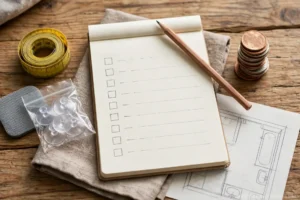
Walk through your bathroom with this guide in hand and list every hazard you see — then fix them in order of risk and cost, starting with the free habit changes and the cheap fixes (rugs, lighting, clutter) before the bigger projects. Revisit the list yearly, because bodies and bathrooms both change. And remember that fall prevention extends beyond the bathroom: stairs, lighting, and footwear matter too — but the bathroom is the highest-return room to fix first.
For the fixture-level upgrade when the time comes, our 2026 buyer’s overview of walk-in tubs in 2026 covers what has changed for buyers this year, in qualitative terms with no invented statistics.
After a fall: what to do differently
A fall is information — treat it that way. After any fall, even one without injury, do three things. First, get checked: see your doctor promptly, because falls can cause injuries that do not hurt immediately (hairline fractures, slow bleeds, especially if you take blood thinners) and because the fall itself is a medical data point your doctor needs. Second, reconstruct the fall honestly: what time was it, where exactly, what were you doing, what were you wearing on your feet, had you taken any medication recently, were you rushing or dizzy? Write it down while it is fresh — memory softens details within days.
Third, change something. A fall with no changes is a rehearsal for the next fall. The reconstruction usually points directly at the fix: a fall reaching for a towel points at towel placement and grab bars; a nighttime fall points at lighting and the path to the bathroom; a fall stepping out of the tub points at the entry itself — the strongest possible argument for a low-threshold fixture. Share the reconstruction with your doctor and, if you work with one, your physical or occupational therapist. Professionals spot patterns that embarrassment hides, and a single fall is the ideal moment for a full fall-risk reassessment — not after the third.
Building a support network
Fall prevention is not purely a hardware problem; isolation makes every hazard worse. Someone who checks in daily, a neighbor with a key, a wearable alert button that works in the bathroom — these are the human layer of the safety system. If you live alone, establish a check-in routine with family, a friend, or a formal daily-call service, and make the routine redundant (if the call is missed, someone comes by). Keep a phone accessible in the bathroom — not on the counter across the room — and consider a waterproof wearable alert device if getting up from the floor unassisted is uncertain.
Professional resources multiply what family can do. Your Area Agency on Aging connects you with local fall-prevention programs, home-modification assistance, and balance classes. Physical therapists build the leg strength and balance that make every fixture safer. Pharmacists review medications for fall-risk side effects — a free, underused service. And community senior centers often run evidence-based balance programs that are as social as they are physical. The safest bathroom is one used by a person whose body, medications, home, and community are all pulling in the same direction.
The nighttime bathroom trip: a special case
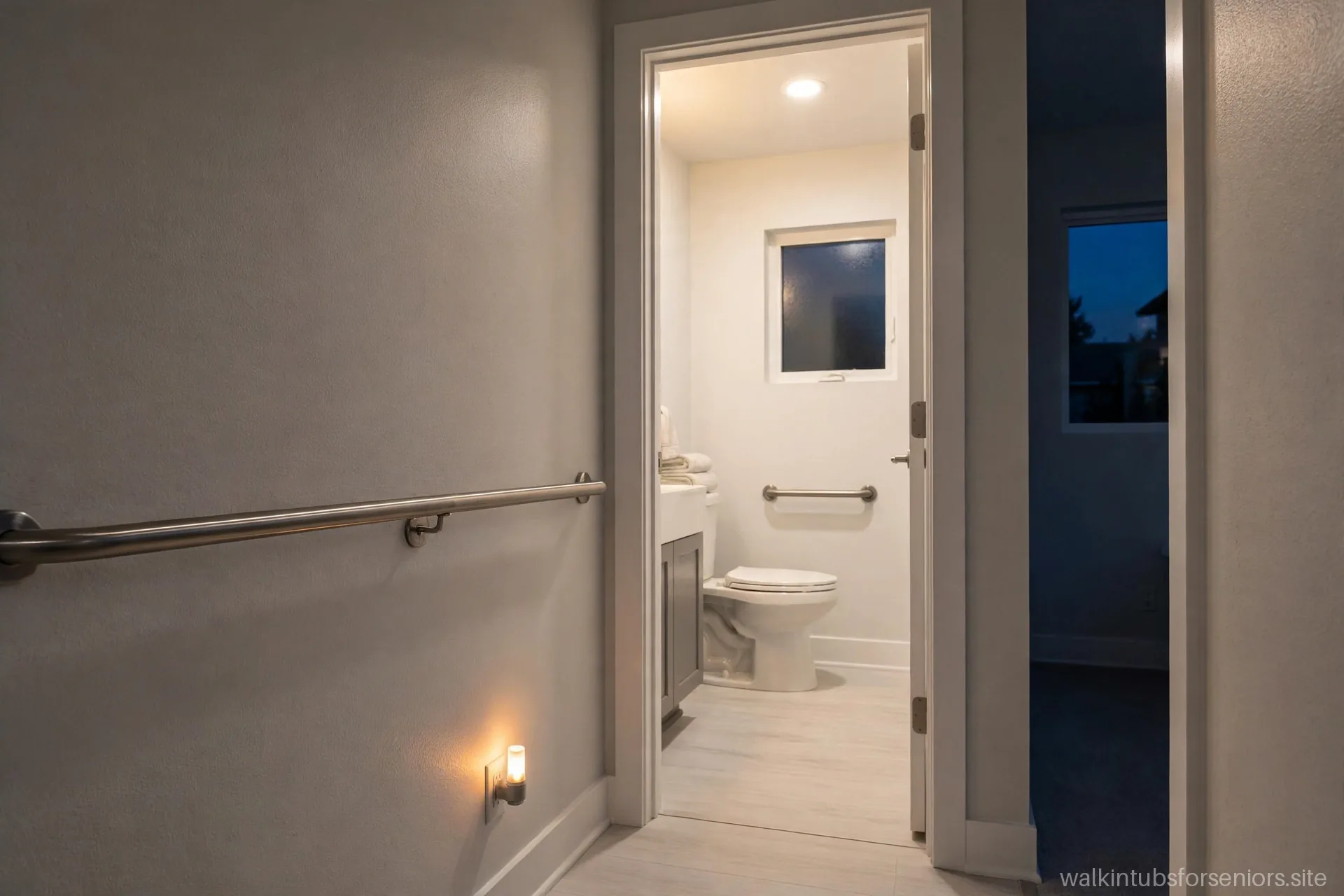
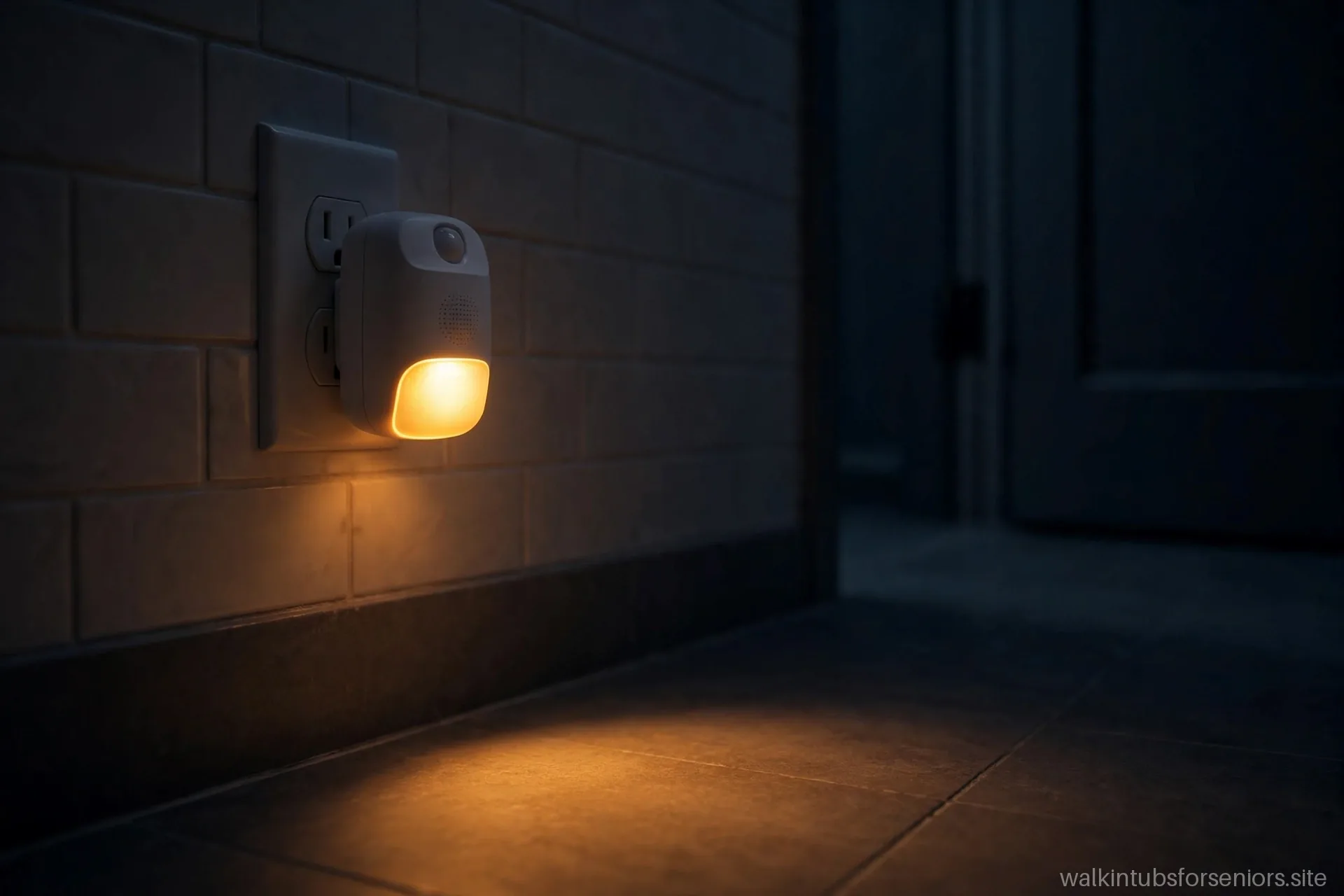
A disproportionate share of bathroom falls happens at night, and the nighttime trip deserves its own safety plan because every risk factor is worse at 3 a.m. You are groggy, your blood pressure dips when you stand suddenly, the lights are off, and urgency makes you hurry — the exact combination that defeats careful habits. Start with the path: motion-activated nightlights along the route from bed to bathroom, bright enough to see by but dim enough not to destroy night vision. A plug-in light in the hallway and one in the bathroom itself, both on sensors, costs little and works every night without thought.
Inside the bathroom, the nighttime setup should assume impaired balance. The grab bars you installed for daytime are doubly important at night — make sure the path from door to toilet to sink keeps a handhold within reach the whole way. Consider a raised toilet seat if nighttime standing-to-sitting feels unsteady; the extra inches matter more when muscles are cold and stiff. Keep the floor bone dry before bed — an evening wipe-down of splashes takes a minute and removes the hazard you will not see in dim light. And leave the bathroom door unlocked or ajar if you live with someone; a locked door turns a fall into a rescue problem.
The less obvious nighttime factors are medical and worth a doctor conversation, not just a hardware fix. Getting up multiple times nightly can signal issues worth evaluating; certain medications increase nighttime urination or cause dizziness on standing; and the simple act of sitting up slowly and pausing at the bedside before walking — thirty seconds that feel eternal when you are half asleep — prevents the blood-pressure dip behind many nighttime stumbles. The nighttime trip will never be risk-free, but it can be made dramatically safer with light, clear paths, and unhurried movement. Treat it as its own project, not an afterthought to daytime safety.
Frequently asked questions
If I could make only one change, what should it be?
Anchored grab bars at the tub/shower and toilet — they are the highest-impact, lowest-cost structural fix. Everything else builds on having something solid to hold.
Does exercise help prevent bathroom falls?
Yes — balance and leg-strength exercises are among the most evidence-supported fall-prevention measures. Ask your doctor about a referral to physical therapy or a community balance program; stronger legs make every bathroom fixture safer.
Should I get a medical alert device for the bathroom?
If you live alone and have any fall risk, a waterproof wearable alert button is sensible insurance. The bathroom is where you are least likely to have your phone and most likely to need help.
This guide is general information only — not medical advice. If you have fallen, feel unsteady, or take medications affecting balance, talk to your doctor about a comprehensive fall-risk assessment.