The first big choice in a walk-in tub is not the brand or the color — it is how the water behaves once you are in it. A soaker gives you deep, still, warm water. A hydrotherapy model adds moving water: gentle air bubbles, targeted water jets, or both. The right answer depends on your body, your budget, and how much maintenance you are willing to do.
This guide compares soaker and hydrotherapy walk-in tubs side by side — what each feels like, what each costs to buy and run, and which households tend to be happiest with each choice.
What a soaker walk-in tub actually is
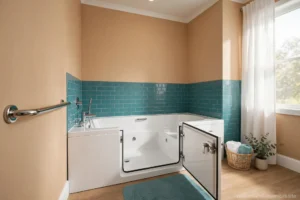
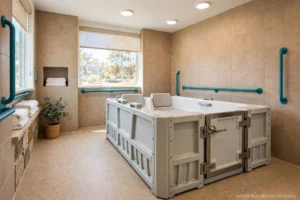
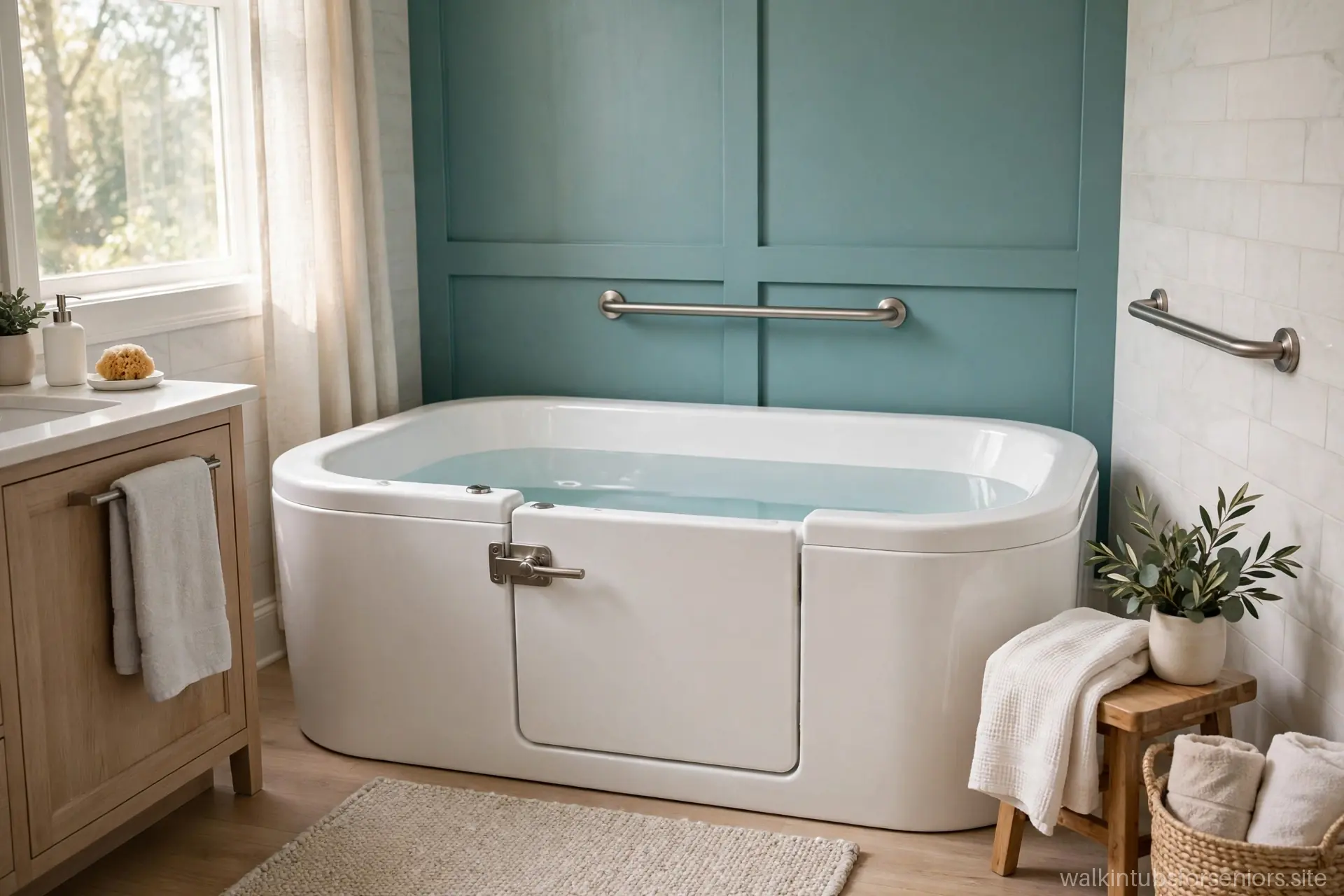
A soaker is the simplest walk-in tub you can buy: a watertight shell with a door, a seat, a filler, and a drain — no pumps, no blowers, no jets. You fill it with warm water and soak. Because there is no machinery, a soaker is the most affordable style, the quietest, the easiest to clean, and the least likely to need repairs.
Do not mistake simple for basic. A good soaker still has the safety essentials: low threshold, contoured seat, grab bars, textured floor, anti-scald valve, and a fast drain. Many buyers choose a soaker precisely because they want safer bathing without new complexity in their lives.
What hydrotherapy adds
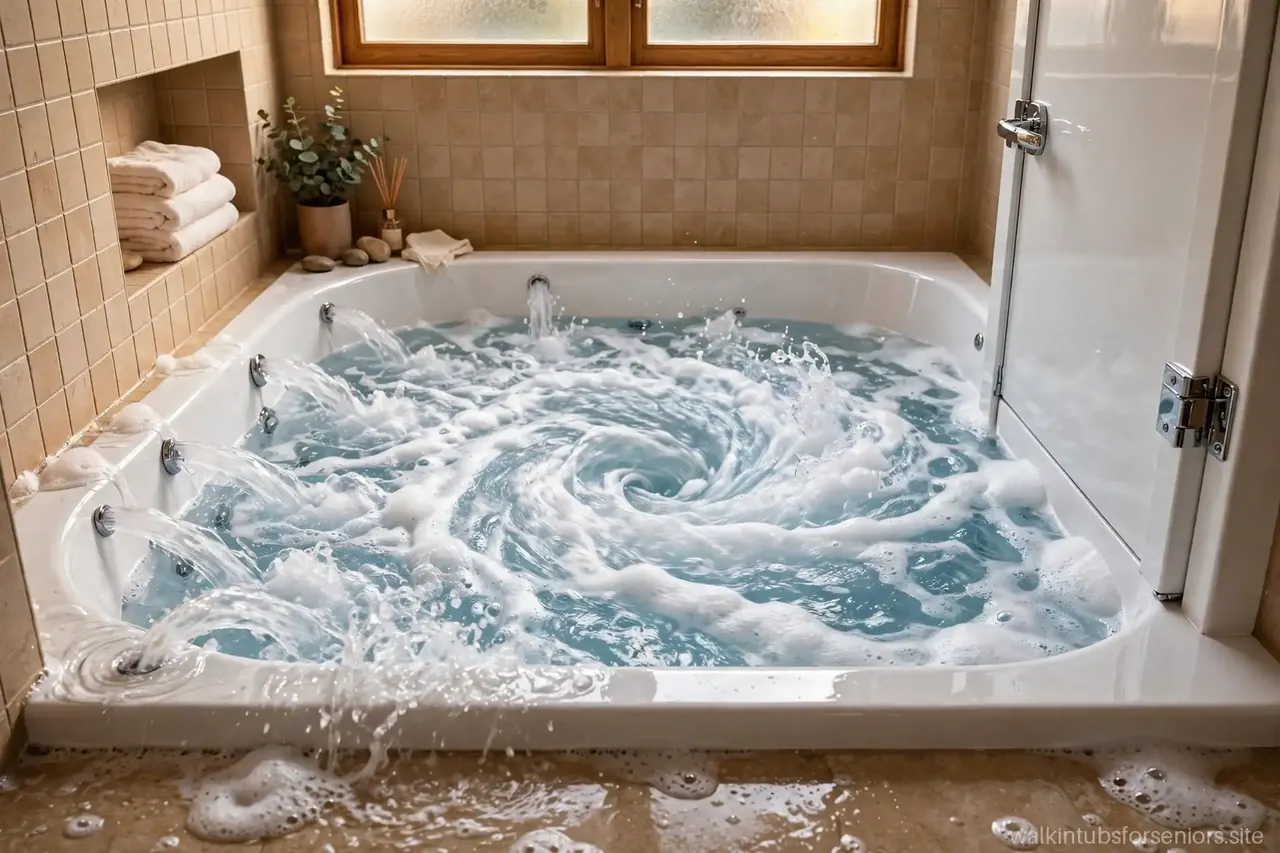
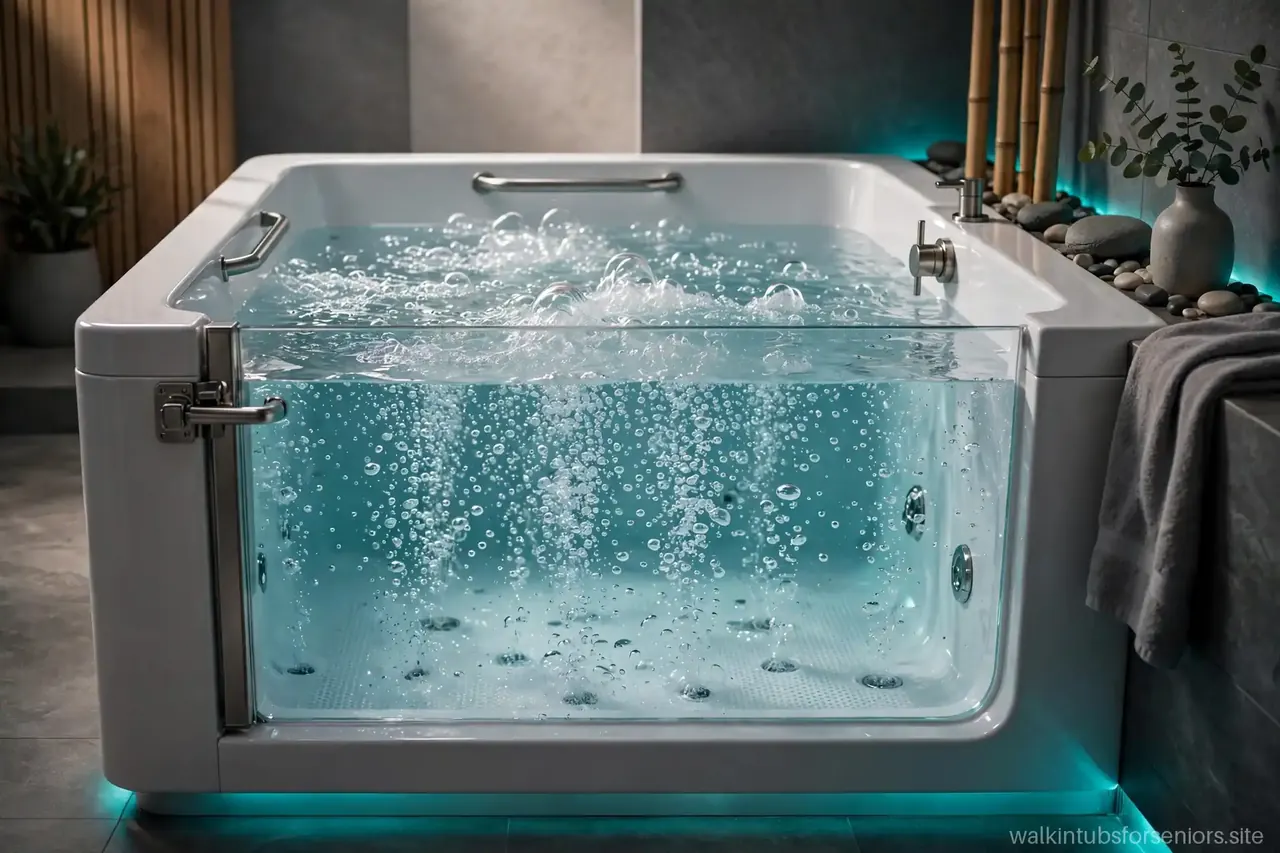
Hydrotherapy walk-in tubs add one or both of two systems. An air system uses a small heated blower to push warm air through tiny ports in the tub walls, surrounding you with fine bubbles. A water system (whirlpool) uses an electric pump to drive water through adjustable jets, giving a stronger, targeted massage to the back, hips, and legs. Combination tubs include both.
The sensations are genuinely different. Air feels like a gentle, all-over fizz — relaxing but not forceful. Water jets feel like a massage — invigorating, and adjustable from soft to strong. People with sore muscles or stiff joints often prefer water jets; people with sensitive skin or who startle at strong pressure often prefer air.
Side-by-side comparison
Here is how the two styles compare on the factors that matter most to buyers.
Purchase and running cost
Soakers are the most affordable walk-in tubs to buy — illustrative planning figures often start around the low thousands for the tub itself, while hydrotherapy models add roughly one to several thousand more depending on the system. Those are broad illustrative ranges, not quotes; real prices vary widely by brand, region, and installer. Hydrotherapy tubs also need a dedicated electrical circuit, which can add to installation cost, and they use more electricity with every bath. Our breakdown of walk-in tub cost factors walks through the full budget picture.
Cleaning and upkeep
A soaker cleans like any bathtub: wipe down after use. Hydrotherapy systems need more attention. Whirlpool jet lines should be flushed regularly with the manufacturer’s recommended cleaner to prevent buildup, and air channels need periodic purging (many blowers do this automatically after draining). If you dislike maintenance chores, this is a meaningful point in the soaker’s favor.
Noise
Soakers are silent. Air blowers produce a noticeable hum — quieter than a hair dryer, louder than a whisper. Whirlpool pumps are louder still, roughly on par with a strong bathroom exhaust fan. If you bathe early in the morning in a small home, noise is worth considering.
Bathing feel
This is personal. Some people find still water deeply relaxing; others find it boring after ten minutes. If you currently love long soaks in a regular tub, a soaker will feel familiar. If you pay for massages or use a handheld massager at home, you will probably appreciate jets.
Who tends to love a soaker
Soakers suit buyers who want the safety of a walk-in tub at the lowest cost and complexity: people on a fixed budget, people who dislike maintenance, households where the tub will be used mainly for safe seated bathing, and anyone sensitive to noise. A soaker is also the easiest style to keep sanitary, which matters if the tub is shared or used with caregiver assistance.
Who tends to love hydrotherapy
Hydrotherapy suits buyers who want the bath to do therapeutic-feeling work: soothing stiff joints, easing muscle tension, or simply making bath time feel like a treat. It also suits people who plan to bathe daily and want variety — alternating still soaks with jet sessions. Just be honest about the upkeep: a whirlpool you never clean becomes a whirlpool you stop using.
The middle ground: air-only models
If you are torn, air-only hydrotherapy is a reasonable compromise. It costs less than a full whirlpool, runs quieter, needs less aggressive cleaning than water jets, and still gives you moving-water luxury. Many first-time buyers who are unsure about jets choose air-only and report being happy with the choice years later.
How to decide before you buy
Three practical steps help. First, think about your current bathing habits — do you linger in the tub or get in and out? Lingering favors hydrotherapy. Second, be honest about maintenance tolerance. Third, if possible, sit in a floor model at a showroom and ask the salesperson to run the jets so you can feel and hear them. A five-minute test tells you more than any brochure.
Also factor installation into the decision: hydrotherapy models need electrical work that soakers skip, which affects both timeline and budget. Our overview of how long walk-in tub installation takes explains what the electrical and plumbing work adds to the schedule.
Long-term ownership: what changes after year one
The first year of tub ownership is the honeymoon: everything is new, the jets get used constantly, the maintenance feels novel. Years two through ten tell the real story. Soaker owners typically report steady satisfaction — there is little to fall out of love with, and the tub simply keeps doing its job. Hydrotherapy owners diverge: those who built the cleaning routine into their habits continue enjoying the jets for years, while those who found the routine burdensome gradually use the jets less, until the tub functions as an expensive soaker.
This is not an argument against hydrotherapy — it is an argument for honest self-assessment before buying. If you are the person who changes HVAC filters on schedule and descales the coffee maker, you will maintain jet lines without resentment. If maintenance chores pile up in your house, believe that evidence. Also consider parts: pumps, blowers, and jet nozzles are replaceable, but only if the manufacturer is still in business and stocking parts a decade from now — one more reason to favor established companies over bargain brands.
Resale and home value: the honest picture
A walk-in tub’s effect on home value is mixed and worth understanding before you install. For the growing market of older buyers, an accessible bathroom is a genuine selling point — a well-done walk-in tub can make your home stand out to exactly the demographic most likely to buy it. For young families, however, a walk-in tub reads as a fixture they will need to replace with a standard tub or shower, which can narrow your buyer pool.
The practical takeaways: do not install a walk-in tub as a value-adding investment — install it because you need it, and treat any resale benefit as a bonus. Choose neutral finishes that photograph well rather than bold colors that polarize. Keep the bathroom’s other fixtures conventional and attractive. And if your home has only one full bathroom, think carefully: converting the only tub to a walk-in tub affects every future buyer, while adding accessibility to a second bathroom preserves options. None of this should stop a needed installation — safety today outweighs hypothetical resale tomorrow — but informed is better than surprised.
When the household disagrees on tub style
It is common: one person wants the whirlpool’s massage for their back, the other wants the soaker’s simplicity and lower price — and the tub has to serve both. The first step is separating preferences from needs. A need is a doctor-adjacent reason — chronic pain that responds to massage, circulation issues that benefit from warm-water therapy, a skin condition irritated by strong jets. A preference is liking bubbles. Needs outrank preferences in the decision, and writing both down honestly often dissolves the disagreement faster than another showroom visit.
When both sides hold genuine needs pointing in different directions, the combination tub — air plus whirlpool in one shell — is the engineered compromise, letting each bather run their preferred system. It costs more upfront and needs both maintenance routines, but it ends the argument permanently. The cheaper compromise is staging: buy the simpler soaker now, and add a high-quality portable hydrotherapy aid — there are respectable options — for the person who wants water movement. This works best when one person’s hydrotherapy desire is mild rather than medical.
One warning about the most common false compromise: buying the fancy system to please one person while the other quietly resents the price and the upkeep. Resentment corrodes satisfaction faster than any missing feature. If the budget only stretches to one person’s wish, have the explicit conversation about whose need is greater and revisit in a few years — tubs last decades, and the second purchase, if ever needed, can favor the other person. A tub bought in agreement gets enjoyed; a tub bought in silent protest gets criticized daily.
Frequently asked questions
Is a combination air-and-water tub worth the extra cost?
Only if you will genuinely use both systems. Many owners end up favoring one and ignoring the other, in which case the extra money bought complexity rather than enjoyment. If you are unsure, pick the single system that appeals to you more.
Are whirlpool jets bad for sensitive skin?
Strong jets can irritate very sensitive skin, and the agitation can dry skin out. Air systems are gentler. Either way, moisturize after bathing and keep water temperature moderate — very hot water dries skin regardless of jets.
How much electricity does a hydrotherapy tub use?
It varies by pump and blower size and how long you run them, but expect roughly the draw of a small space heater during jet operation. The cost per bath is modest; the bigger electrical consideration is the dedicated circuit required at installation.
This guide is general information only — not medical advice and not contractor advice. Jet systems feel therapeutic to many people, but they do not treat medical conditions; talk to your doctor about what bathing options suit your health.