“One-day installation!” is a popular advertising claim in the walk-in tub world — and like most advertising claims, it is true under ideal conditions and optimistic under real ones. A straightforward swap in a healthy bathroom can indeed finish in a day. But hidden water damage, electrical panel work, or a bathroom that needs more than a swap can stretch the project to three days or beyond.
This guide gives you a realistic timeline for each phase, explains what stretches or compresses the schedule, and shows how to plan your household around the work.
The typical range: one to three days
For a standard installation — old alcove tub out, new walk-in tub in, plumbing lines up, no structural surprises, no new electrical needed (soaker model) — one full working day is realistic for an experienced two-person crew. Add a dedicated electrical circuit for jets or a heated seat and you are usually looking at two days, since the electrician’s work and its inspection add a sequence. Add subfloor repair, drain relocation on a slab, or surround tiling beyond a basic panel, and three days is the honest estimate.
These are working days with a professional crew, not calendar days from order to completion. The tub itself typically takes weeks to manufacture and deliver after you order — the installation timeline starts when the tub and crew arrive, not when you sign the contract.
Phase-by-phase breakdown
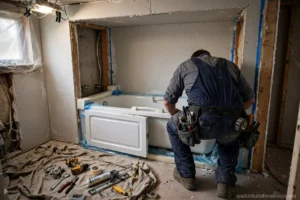
Demolition and removal (half a day): old fixture out, walls opened, debris removed. This is the noisy, dusty phase.
Structural repair, if needed (half a day to a full day): subfloor replacement, framing repair, mold remediation. This phase exists only when hidden damage is found — but it is found often enough in older bathrooms that you should budget the time.
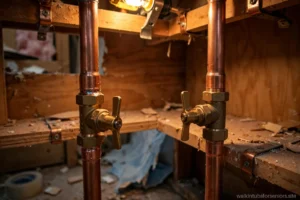
Plumbing and electrical rough-in (half to a full day): moving the drain, adjusting supply lines, running the new dedicated circuit. Inspections, where required, happen after rough-in and can add a day of waiting depending on your locality’s scheduling.
Tub setting and connection (half a day): leveling, supporting, connecting, and water-testing the tub.
Walls, sealing, and finish (half to a full day): backer board, tile or surround, caulking (which needs cure time), trim, and accessories.
Final testing and walkthrough (an hour or two): full fill test, jet and heater checks, door seal verification, and your operating tutorial.
What extends the timeline
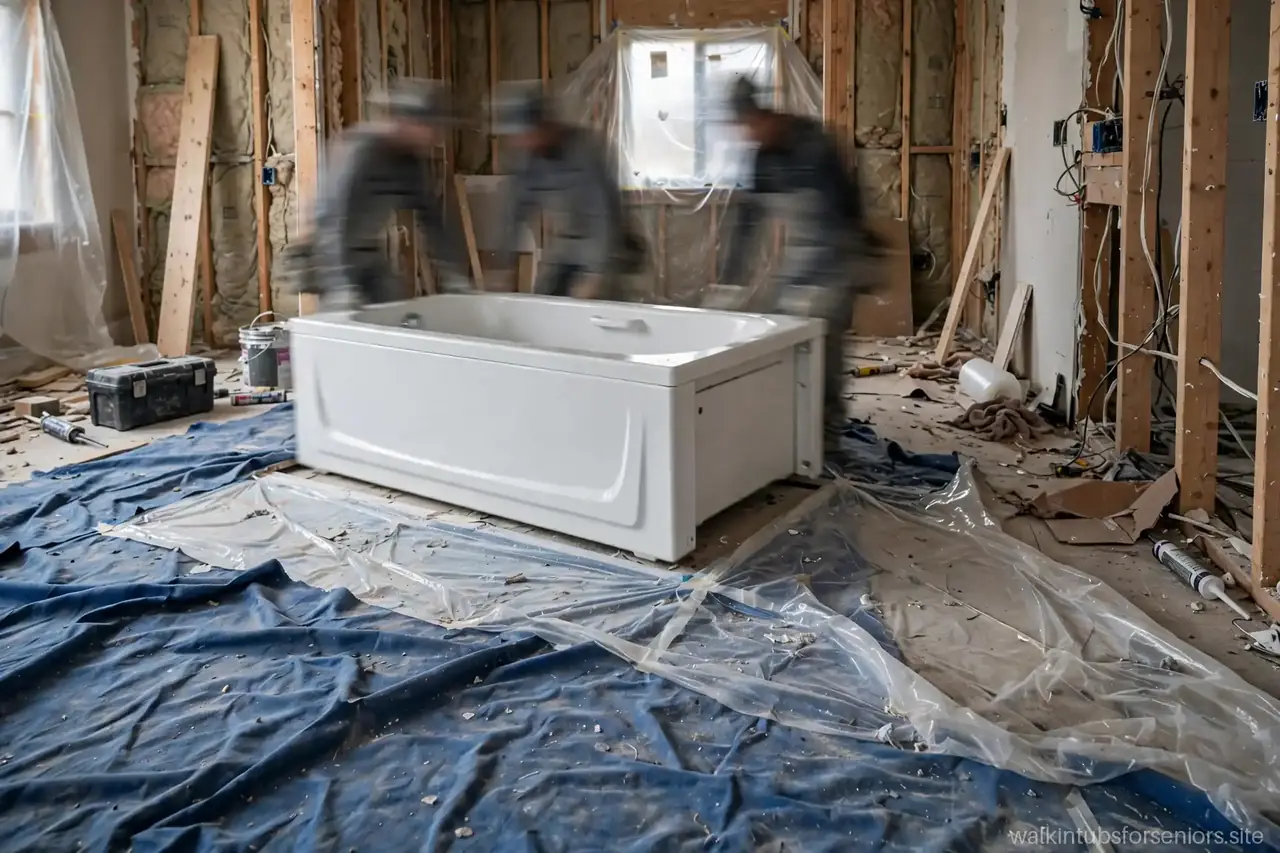
The usual suspects: rotted subfloor or framing discovered during demolition, mold requiring remediation, a drain that must be relocated through a concrete slab, an electrical panel that needs upgrading to host the new circuit, inspection scheduling delays, custom tile work, and — the most avoidable one — the wrong tub delivered because measurements were not verified. Each can add a day or more. None is a disaster if it is in the plan; all are miserable as surprises.
Bariatric and oversized models deserve a mention: their larger footprint and heavier weight can add verification and handling time, and their larger water volume means longer test fills. If you are considering a larger model, our bariatric walk-in tub guide covers the sizing and structural considerations.
What keeps the project on schedule
Three things, all within your control as the buyer: verified measurements before ordering (tub, bathroom, door swing, delivery path), a detailed written scope so the crew arrives with the right materials, and a pre-installation site visit where the installer sees the actual bathroom rather than working from your description. The cheapest day of the project is the day the installer measures twice; the most expensive is the day the tub does not fit.
Living through the installation
Plan for the bathroom to be completely out of service for the duration — not just the tub, the whole room. Identify your alternate bathroom in advance. Expect noise and dust during demolition (a half-day), intermittent noise after, and workers coming and going. Keep pets and small children clear of the work area. If anyone in the household has a medical routine tied to the bathroom (morning medications, etc.), rehearse the alternate plan before day one.
Curing times matter at the end: silicone caulk needs its full cure time before the tub gets wet, and some surround adhesives do too. A good installer tells you exactly when the tub is ready for its first bath — do not rush it.
Once the dust settles, the tub’s long-term reliability depends on the quality of the work you just watched happen — which is why understanding the process matters. Pair this timeline with sizes and dimensions when planning, so the tub you order is the tub that fits on day one.

Coordinating delivery with installer schedules
The tub and the crew must arrive in the right order, and that coordination is a common source of delay. The tub typically ships from the manufacturer weeks after ordering, with a delivery window rather than an exact date. The installer’s crew is scheduled in days. The professional sequence: order the tub, get a firm delivery window, then lock the installation dates to start a day or two after the tub’s confirmed arrival — never the same day, because freight delays are routine and a crew standing idle still costs money.
Protect yourself contractually: the installation contract should specify what happens if the tub arrives damaged (who inspects at delivery, who files the freight claim, who pays for the delay) and what happens if the crew must reschedule. Inspect the tub thoroughly at delivery — shell cracks, door alignment, finish flaws — before signing the delivery receipt, because damage claims filed later are uphill battles. Photograph the tub from all angles while it is still on the truck or in the garage; those photos are your evidence if a concealed defect appears during installation.
When delays happen: how to handle them
Delays are normal; being blindsided is optional. The common causes: freight damage requiring a replacement tub (adds weeks), hidden structural damage found during demolition (adds days), inspection scheduling bottlenecks (adds days), and material backorders for tile or surround (adds days to weeks). For each, the professional response is the same: a revised written schedule, a clear explanation of the cause, and a plan — not vague reassurance.
Your leverage is the payment schedule: never pay the full amount before completion, and tie progress payments to completed milestones so a stalled project stalls the money too. Communicate in writing — email summaries after phone calls create a record both sides can reference. And keep perspective: a delay that results in correct work is infinitely better than rushed work that results in callbacks. The installers worth hiring are the ones who would rather tell you about a two-day delay than hide a two-hour shortcut.
The hidden phase: manufacturing and delivery lead times
Everyone plans for the one-to-three-day installation; almost nobody plans for the weeks before it. Walk-in tubs are rarely sitting in a local warehouse — most are built to order or shipped from regional distribution, and lead times of four to twelve weeks are normal, stretching longer for custom colors, unusual sizes, or bariatric models. Your project’s true timeline starts the day you order, not the day the installer arrives, and failing to account for the lead time is the most common cause of “the bathroom will be done by Thanksgiving” disappointment.
Manage the lead time actively. Get the estimated ship date in writing with the order, and ask what triggers the clock — deposit received, final measurements confirmed, color selected. Confirm the delivery logistics early: does the tub ship to you, to the dealer, or to the installer? Who inspects it on arrival, and what happens if it arrives damaged? A tub with a cracked shell or missing parts discovered on installation day restarts the clock by weeks; a ten-minute inspection at delivery, with photos of any damage noted on the delivery receipt, protects you. Refuse delivery of a visibly damaged tub — accepting it makes the damage your problem to prove.
Use the waiting weeks productively: finalize your installer’s schedule with a tentative install week (not a firm day — firm days slip when freight does), complete any prep work like clearing the bathroom and arranging alternative bathing, and confirm permits are applied for so approvals land before the tub does. The buyers who suffer through installations are usually the ones who treated ordering as the finish line; the ones who sail through treated it as the starting gun. Plan the lead time, and the installation itself becomes the short, satisfying finale it should be.
Ask about expedited options if your timeline is driven by need rather than preference — a discharge planner’s deadline, a caregiver’s availability window, a health situation that will not wait twelve weeks. Some manufacturers offer rush production for a fee, some dealers keep a small inventory of popular models for quick-turn projects, and floor models can sometimes be purchased and installed within days. You will pay a premium and accept less choice, but when safety cannot wait, speed is worth pricing. The key is asking the question early: expedited paths exist, but only for buyers who know to ask before the standard queue closes behind them.
Frequently asked questions
Is one-day installation real or a gimmick?
It is real for ideal conditions: a standard alcove, healthy structure, no electrical additions, an experienced crew, and no inspection delays. It becomes a gimmick when promised sight-unseen — no honest installer guarantees one day before seeing your bathroom.
Does season matter?
Slightly. Caulk and adhesives cure slower in cold, humid conditions, and delivery can be delayed by weather. None of this is prohibitive — just worth mentioning to your installer if you are scheduling in deep winter.
When can I take my first bath?
After the installer completes final testing and confirms the caulk and seals have cured — often the evening of the last workday or the next morning. Ask explicitly; do not assume.
This guide is general information only — not contractor advice. Timelines vary by home, crew, and locality; get a written schedule from your installer as part of the contract.